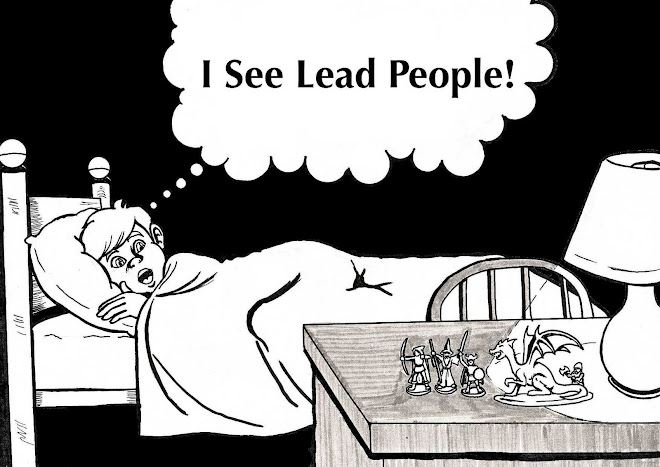

One of the main complaints about modern D&D is that character zip through levels too fast. This often creates a game where the players never really have a chance to get to know their characters and their abilities or, in some extreme cases, even get to use a new ability before another is piled on, thus resetting the process. There are all manner of fixes and tricks and tips that have been suggested and created to address this but it seems to me that one of the easiest ways to do so is to take a note from another RPG, Call of Cthulhu.
To begin with, I am not suggesting the adoption of sanity rules or even Lovecraftian horror to fix your games. Neither of these is really a fit for all campaigns and so does not really work well as a generic solution that can be applied to any campaign. Instead, what I am suggesting is that the game shift from slaughtering hordes of lesser monsters while delving endless dungeons to something more akin to the investigative style of the Call of Cthulhu RPG and increasing the threat of individual enemies so that they each become meaningful and pit your players against opponents that require more nuance and forethought to confront. For a more direct fantasy example, think The Witcher.

Because 5E, as written, only provides for X.P. for the slaying of monsters, simply reducing the number of monsters the party encounters will naturally slow their characters progression through the levels. This, however, is an overly simplistic way to approach this and must be considered only a piece of the puzzle and not the complete answer. Once we reduced the number of monstrous encounters we then need to consider the power level and complexity of the monsters the party will encounter. Of course, more potent monsters will come with greater experience rewards, but since they will also pose a greater threat to the party at any given level, the players will hopefully be encouraged to spend time role-playing and seeking out help or lore that will aid them in defeating these more potent threats.
Because 5E, as written, only provides for X.P. for the slaying of monsters, simply reducing the number of monsters the party encounters will naturally slow their characters progression through the levels. This, however, is an overly simplistic way to approach this and must be considered only a piece of the puzzle and not the complete answer. Once we reduced the number of monstrous encounters we then need to consider the power level and complexity of the monsters the party will encounter. Of course, more potent monsters will come with greater experience rewards, but since they will also pose a greater threat to the party at any given level, the players will hopefully be encouraged to spend time role-playing and seeking out help or lore that will aid them in defeating these more potent threats.
The goal here should never be to punish the players by denying them chances to fight for their X.P. but to make each fight become central to a plot and amount to something more than an a never-ending spree of slain humanoids, wild animals and bandits. That's not to say that these sorts of encounters can't fit into this new model, but you can now do away with the need to pad out an adventure with encounters to keep the action going and use role-playing, NPCs and mysteries to pull the players toward these, in my opinion, more rewarding encounters.

The mechanics of this shift in play style is pretty straight forward. Target your encounters to be at least dangerous or greater difficulty level in nearly every instance with the exception being those lesser encounters that push the plot along such as scuffles with NPCs, minions or the freak environmental encounter (wolves, dangerous plants, lesser undead) that build the theme and tone of the adventure. Choose your featured creatures from those that are complex and powerful, looking for those who have multiple resistances and vulnerabilities that the PCs can learn to counter and exploit. Monsters with lair, legendary and even epic actions are most suitable to this style of play. If needed, I fully encourage beefing up existing monsters to suit your needs through simple tweaks such as increased AC, additional resistances and new abilities that fit their theme. I highly suggest that you avoid adding more HP to these modified monsters as this will not add much in the way of interest to the creatures but will certainly turn fights against them into slogs. What we should always be looking for is creatures that can be defeated if only the party knew how.
Once you have established the central encounter of the plot, you must then spin a web of motivations, secrets, lore, clues, and useful items the party can find to use against these potent foes. This is the meat of this style of play and I cannot overstate the importance of making the majority of such adventures as much, if not more, about the preparation to confront the foe as it is about the confrontation itself. Items that will aid the party in their fight can be normal magical items that one might find in other D&D games or they can be things that resemble lesser artifacts, full of risk and danger themselves. It is also easy to make these key items into single-use items.
So, you have your plot, it's main encounter and a web of investigative clues, tricks and tricks. Why would your players ever want to play this style of play?

First of all, any use of this method is going to require buy-in by your players but it is important that your frame it to them in a way that assures them you aren't trying to rob them of X.P. or the chance to see their characters improve and truthfully, this is absolutely not the intention of this method. The real goal here is to provide the players with a chance to act less like cartoon action heroes and more like their favorite investigative, problem-solving characters in fiction, movies and TV. Police procedurals, detective stories, true crime podcasts, even YouTube lore videos are what this style of play feeds into. As mentioned earlier, The Witcher is a great source to reference what you are going for.
You can assure your players that their characters will grow and develop but they will spend more time getting to know their characters. It is also worth noting that their accumulations of lore, secrets, tricks and items that let them combat these more powerful foes will add texture to their characters while they spend a greater span of time at any given level, much like in older editions. The end goal should always be adventure but adventure with more nourishment of the imagination and the player's abilities. Fights will be tough but rewarding and the pre-work of the players and their characters should pay off every time.








 Posts
Posts


No comments:
Post a Comment